

Finding used trucks for sale is only the first step. A useful comparison looks past a model name and asks whether a particular truck fits the work you expect it to do. Compare its configuration, condition, records, paperwork and full cost, then confirm current availability before you plan a visit.
Contact the store about a truck
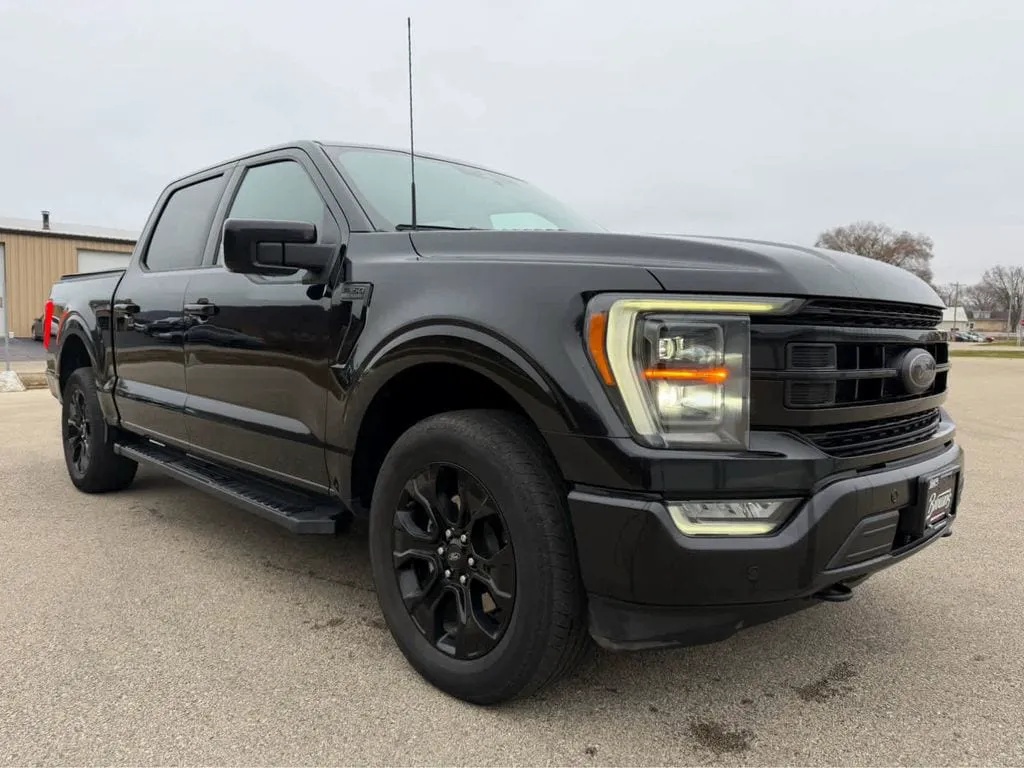
What should you need the truck to do?
Start with a normal week rather than an unusual job that might happen once. Write down who rides with you, what you carry, where you drive and whether you tow. These details help separate a real requirement from a preference. A truck used for occasional home projects may need a different setup from one that carries tools every day. A business or agricultural household may need to account for work gear, frequent short trips, rough parking areas or a particular trailer. The actual task matters more than a badge or a broad description.
Make two lists. Put essential requirements in one and nice-to-have features in the other. If adults regularly sit in the back, cab space and entry may be essential. If you haul long materials, bed dimensions and tie-downs may matter more than a particular trim. If you park indoors, measure the space and consider the truck’s actual length and height. Write down the number of regular passengers, common cargo, route type, parking constraints and budget. This short exercise gives you a consistent basis for comparing listings.
Be specific about occasional versus regular use. If you tow once a year, towing still matters, but it may not need to control every decision. If the truck will carry a heavy load most days, the load and vehicle ratings deserve attention early. For cargo, record approximate length, width and weight, and whether it needs weather protection. For passengers, think about how often the rear seats are occupied and how easy it is to get in and out. A clear list prevents a promising listing from distracting you from a basic mismatch.
How do you compare used trucks for sale?
Compare each candidate by its VIN and installed equipment, not by model name alone. Trucks in one model family can differ in cab, bed, engine, transmission, drivetrain, axle ratio and optional packages. These differences can affect passenger space, everyday utility and capability. A general model description does not confirm what is fitted to a specific used truck. Read the listing and equipment information, then verify each item that is important to your work.
If four-wheel drive, a particular cab or a specified package is essential, ask the store to confirm it on the vehicle and in available records. Do not infer an option from an unclear photograph. Aftermarket equipment can be useful, but it does not prove that the truck has a particular factory configuration or rating. Ask which accessories are included and whether the seller has information about their installation. Treat any item that remains unverified as an open question, not as a feature you can count on.
| Comparison point | What to record | Why it matters |
|---|---|---|
| Identity. | Year, make, model, trim and VIN. | Confirms you are comparing the exact vehicle and paperwork. |
| Cab and bed. | Seating arrangement, passenger access, bed length and visible bed equipment. | Shows whether people and cargo fit your routine. |
| Powertrain. | Engine, transmission, drivetrain and listed packages. | Configurations differ; verify what is actually installed. |
| Capability. | Vehicle labels, manual, hitch and planned load information. | Helps verify that the intended setup stays within applicable limits. |
| Condition. | Walk-around notes, test-drive observations and inspection findings. | Identifies issues that need an explanation or professional review. |
| History. | Available service, title and history documents. | Separates documented information from assumptions. |
| Cost. | VIN-specific price, fees, taxes and optional items. | Supports a full-cost comparison rather than a headline-price comparison. |
Use the same questions for each truck. If one listing provides a detailed equipment list and another does not, mark the missing detail as unconfirmed instead of assuming either that the feature is present or that it is absent. You can then ask focused questions and compare verified details. A simple worksheet is often more useful than relying on memory after viewing several vehicles.
What should you verify about payload and towing?
If hauling or towing is part of your plan, verify capability before deciding that a truck is a match. A model line does not have one universal towing figure that applies to every configuration. Ratings may depend on the exact setup and equipment. Payload matters too because passengers, cargo and applicable hitch load use some of the truck’s available capacity. Check vehicle-specific documentation and labels rather than using a general figure copied from a different truck.
Write down the load you expect, including people and cargo in the cab and bed. For a trailer, record its loaded weight and relevant tongue or pin weight, along with the hitch and equipment involved. Then compare those details with the truck’s applicable information. Do not treat an installed hitch receiver or wiring connector as proof of a particular rating. Aftermarket equipment can change what is fitted, but it does not by itself establish the capacity of the complete vehicle.
Consider a practical example: a truck will commute most days and tow a utility trailer several times a year. Start by finding the trailer’s loaded weight, not just its empty weight. Add the people and materials that may ride in the truck during a towing trip. Ask for the vehicle documentation and confirm that the configuration and equipment match the VIN. If the combination cannot be verified, leave the question open and get qualified guidance before towing. The goal is not to guess a rating from appearance but to confirm that the whole setup suits the planned use.
If the truck will carry heavy material, estimate the load and how often it will be carried. Consider whether tools, passengers or other cargo will be in the vehicle at the same time. Review the applicable labels and documentation for the exact truck. If your load changes substantially from one trip to another, use the demanding realistic scenario when evaluating fit. This is a comparison step, not a substitute for observing the vehicle’s limits or obtaining qualified advice. When there is uncertainty about a rating, do not resolve it by assuming that a higher trim or larger-looking truck has enough capacity.
How should you inspect a used truck?
Arrange enough time to look carefully, preferably in daylight. Begin with a walk-around. Note dents, uneven panel gaps, mismatched paint, corrosion, cracked lamps, damaged glass and signs of repair. Examine tires for visible damage and uneven wear, comparing one side with the other. These are observations to ask about, not a diagnosis. If you notice a fluid spot or a damaged area, ask what is known and whether it has been evaluated. Avoid deciding what caused a mark based only on its appearance.
Look at the bed, tailgate, cab corners and places where water or dirt may collect. Ask about repairs or equipment that is not clear from the listing. Look at visible parts underneath only when it is safe to do so; never crawl beneath an unsupported vehicle. Check that doors, windows, locks, seat belts and seats operate as expected. Try the features you depend on, such as lights, mirrors, climate controls, cameras and four-wheel-drive controls if equipped. Confirm which keys and accessories are included with that specific truck.
A test drive, if available, lets you notice how the truck feels in ordinary use. Adjust the seat and mirrors before moving. Check the dashboard for warning lights and understand the route or any restrictions. Pay attention to steering, braking, vibration, sounds, shifting and visibility. If something feels unusual or a warning appears, make a note and ask about it. A short drive cannot establish that a vehicle is mechanically sound or predict future repairs. It is one source of information alongside records, an inspection and the vehicle’s actual documents.
Use a notebook or phone to record observations separately for each candidate. Distinguish what you saw from what you think it means. For example, write that a tire appears unevenly worn rather than concluding that the alignment is wrong. This gives the store or an independent mechanic a clear question to investigate. If an answer is not available during the visit, record it as pending. A short written list helps you compare vehicles later without confusing the condition of one truck with another.
How do mileage and service records fit together?
Mileage is useful context, but it does not describe the whole condition of a truck. Consider mileage with age, visible wear, maintenance documentation, prior use and inspection findings. A lower odometer reading does not establish that every service was completed. Higher mileage alone does not tell you how a truck was maintained. Think about the evidence as a whole rather than treating one number as a verdict.
Ask whether service records are available, what period they cover and whether there are gaps. Records can help explain reported maintenance or repairs, but they cannot prove that every service was performed or that every component is sound today. If records are unavailable, write that down and decide what other checks would help. An incomplete history is not proof of a problem, but it is not proof that nothing happened either. Seek the documents that are available and read them rather than relying only on a verbal summary.
Match the VIN on the truck to the paperwork you review. Ask what title and history information is available. If a document is missing, unclear or does not match, pause and ask for clarification before proceeding. If the truck is described as certified, ask which program applies to that VIN and review its written terms, including duration, coverage, exclusions and conditions. Certified is not a single universal warranty. Likewise, an as-is phrase does not answer every question about the specific truck’s documents or legal status.
You can consider an independent pre-purchase inspection by a qualified mechanic. Arrange the process with the seller in advance and ask what can be inspected, when, and by whom. A professional assessment may identify issues a walk-around or short test drive cannot reveal. It is helpful evidence, not a guarantee that there will be no future repairs. If an inspection identifies a concern, ask what it means for the work you need the truck to do and whether further evaluation is appropriate. Make sure you understand what the inspection includes and what it does not cover.
How do you check everyday fit?
Translate your task list into checks you can perform. If you carry tools, measure representative items and compare them with the bed and cab storage. If you regularly carry passengers, sit in each row and check access, seating position and seat-belt availability. If the truck must fit a garage, measure the space and compare it with vehicle dimensions supplied for the exact configuration. If you load bulky items, consider whether they fit with the tailgate in the position you normally use. Do not rely on the model name to answer these practical questions.
Think about routine details: bed height, tie-down access, cab storage, rear-seat entry, visibility and parking. Are the controls easy for you to reach? Can you reach the equipment you expect to use? Is there a place for the gear that usually rides in the cab? These are personal fit questions. A brief visit can reveal a mismatch that does not show up in a listing. When testing a task, do so safely and with permission.
Make a must-verify list for features that affect your use. It might include a cab layout, bed setup, drivetrain, hitch, safety feature or storage arrangement. Confirm each item in person or in vehicle-specific records. If a seller cannot confirm an item at the time, keep it marked as open. A long equipment list should not distract you from one essential requirement that remains unverified. Likewise, consider accessories separately from the truck itself. Ask what is included, what was added later and whether information about installation is available.
How can you prepare for a visit?
Before traveling, save the listings or write down VINs for the trucks you want to see. Contact the store to confirm current status and location, and ask whether a test drive can be arranged. If you want an independent inspection, discuss the process beforehand. Bring measurements for cargo or parking, and bring trailer weight information if towing is part of your plan. Do not load an item into a truck without permission. A listing can help you identify a candidate, but it cannot guarantee that the vehicle remains available or that every review can occur without coordination.
During the visit, take notes in the same order for every candidate: identity, equipment, condition, records, driving impressions, price and open questions. Keep your observations separate from conclusions. Ask for copies of vehicle-specific information that affects your choice. If several trucks are being considered, pause between them to complete your notes. Otherwise, details such as cab space, bed condition or warning lights can blur together. Leave time to review the information after the visit instead of feeling that every question must be resolved immediately.
A useful follow-up list is specific: confirm the bed length, clarify the title information, ask about a service-record gap, or get an inspection opinion on a visible concern. This is more useful than writing that a truck seemed good. You can then follow up with the store about the exact item and compare its answer with your notes. A question that remains unresolved should stay visible until you have evidence, not disappear because another feature caught your attention.
What ownership costs should you consider?
Purchase price is one part of a truck’s cost. Consider fuel, routine maintenance, tires, insurance, registration and equipment you expect to add. Actual expenses vary by vehicle, condition, location, driving habits and personal circumstances. Use your own information and quotes rather than assuming that one truck will cost a fixed amount to operate. If one candidate needs equipment you already own and another would require a purchase, record that difference separately so the comparison reflects your plans.
Condition can affect what you plan for. If tires show wear, ask about their condition and consider whether replacement belongs in your near-term budget. If records have gaps, consider whether an inspection or additional maintenance information would help clarify what may be needed. If a truck has an accessory or modification, assess whether it is useful and in suitable condition. These are planning questions, not predictions that a repair is due. Unknown future costs should remain estimates until you have reliable information.
Consider the total purchase amount, not only a monthly payment. Ask for written, VIN-specific figures and an itemized explanation of charges. A model MSRP, starting figure or payment estimate may not be the final amount for a particular used truck. Taxes, title, license, registration, documentary fees, financing and optional products can affect the total. Discounts may have eligibility rules or expiration dates. Review any optional product and its written terms before agreeing to it. A calculator or application is a planning tool, not a promise of approval, rate or payment.
If you have a vehicle to trade, collect its title and payoff information if applicable, and describe its condition accurately. A trade value depends on the vehicle and its review. Brown’s offers separate paths to discuss a trade or sell a vehicle. Neither path determines the price or condition of the truck you are comparing. Keep the questions about the used truck separate from your decision about a trade or sale.
How do you check recall information?
Ask whether safety-related information has been provided for the specific VIN and verify open recall information through an official source. The National Highway Traffic Safety Administration is the federal vehicle-safety agency. Its official website is a starting point for vehicle safety information. When checking a particular truck, use the VIN-specific information available through the agency and follow the instructions it provides. If the result shows an open issue, ask what the next step is and get clear information about its status before deciding.
A recall check is one part of due diligence. It does not replace a mechanical inspection, confirm maintenance history or establish that every repair is complete. Check that equipment you rely on is present and functions during an inspection or test drive. Do not assume that a feature is fitted just because it was offered on some versions of a model. If a warning light or safety concern appears, make a note and seek an appropriate evaluation rather than deciding that it is harmless.
What questions should you ask about a listing?
Contact the store with the listing or VIN so you are discussing the same truck. Inventory changes. Ask the store to confirm current availability, location, equipment and the best next step before traveling. If a vehicle may be in transit or has sold, ask what is known rather than assuming the listing guarantees it is ready to view. A clear conversation about the exact VIN helps avoid confusion between similar trucks.
- Can you confirm the current status and location of this VIN?
- Which cab, bed, powertrain, drivetrain and options are on this truck?
- Which accessories and keys are included?
- Are service, title or history records available to review?
- What inspection findings or known concerns should I ask about?
- Can I arrange a test drive and, if appropriate, an independent inspection?
- Which written warranty or certification documents apply to this VIN?
- Can you provide current itemized pricing and explain fees, taxes and conditions?
- What should I bring if I want to continue?
Write down answers and follow-up items. If an answer is general rather than specific to the VIN, ask what document or inspection would verify it. It is reasonable to take time to understand condition, equipment and purchase terms. A careful comparison is not a demand that every question have an instant answer; it is a way to distinguish what you know from what remains open.
You can browse used trucks and other used vehicles at Brown’s Guttenberg Ford. The featured used vehicles page is another place to review listings. Availability, equipment and prices are vehicle- and date-specific, so confirm details for a particular truck before traveling.
How should you make the final comparison?
Put verified details side by side. Start with passenger space, cargo fit, work equipment, route needs and any load or towing requirements. Then compare condition observations, available records, inspection findings, written price and unresolved questions. Give each item a status such as verified, follow up or does not fit. This is more useful than choosing based only on mileage, model name or headline price. A candidate that fails a must-have may not be suitable even if it looks attractive in a listing.
Consider two hypothetical choices. Truck A has more miles, but its cab and bed fit your daily work. Records are available, although you still want a mechanic to review a concern. Truck B has fewer miles and a lower advertised figure, but the cab is tight for your regular passengers and equipment details are unconfirmed. Neither is automatically better. You need to weigh the inspection question on A against the fit and verification issues on B, then compare written costs. If an essential feature remains unverified, do not treat it as confirmed.
There may be a good reason to keep looking. A low price does not solve a mismatch in passenger space, cargo fit or capability. A vehicle that looks right in a photograph still needs an in-person review and a careful document check. A fair process accepts that a candidate may be eliminated when the evidence does not support your needs. The objective is not to justify a listing you like; it is to find a truck whose known details fit the work you expect.
Before proceeding, confirm availability again, review VIN-specific paperwork and the written price, and resolve important questions about condition and equipment. If you plan to tow or carry substantial loads, verify the complete setup with applicable ratings and reliable documentation. Keep copies of information that informs your decision and ask for clarification on anything you do not understand. Brown’s Guttenberg Ford can confirm a specific listing’s current status when you share its details.
Frequently asked questions
Is a lower-mileage truck always the better choice?
No. Mileage is one data point. Consider it with age, condition, use, maintenance records and inspection findings. A lower reading does not establish that maintenance was completed, and a higher reading alone does not tell you how the truck was cared for. Compare the available evidence for each vehicle.
Can a model’s towing figure be used for every used truck of that model?
Do not assume that one figure applies to every configuration. Equipment can differ. Verify the information for the specific truck and compare it with the loaded trailer, hitch and planned load. If you cannot confirm that the combination fits applicable limits, get qualified assistance before towing.
Should I arrange an independent inspection?
You can consider one when you want a professional assessment beyond a walk-around and short drive. Coordinate the process with the seller in advance. An inspection may identify issues that need attention, but it cannot guarantee future performance or eliminate every unknown.
What if the truck is no longer available?
Ask the store to confirm status before making a trip. Vehicles may be sold or in transit. If the truck is unavailable, explain the cab, bed, equipment and price range you need, then compare any alternative by its own VIN-specific details rather than assuming it is equivalent.
A careful comparison connects a truck’s actual configuration and condition with the work you need it to do. When you have a candidate, share its listing details with Brown’s Guttenberg Ford so the store can confirm current availability and help you plan the next step.