

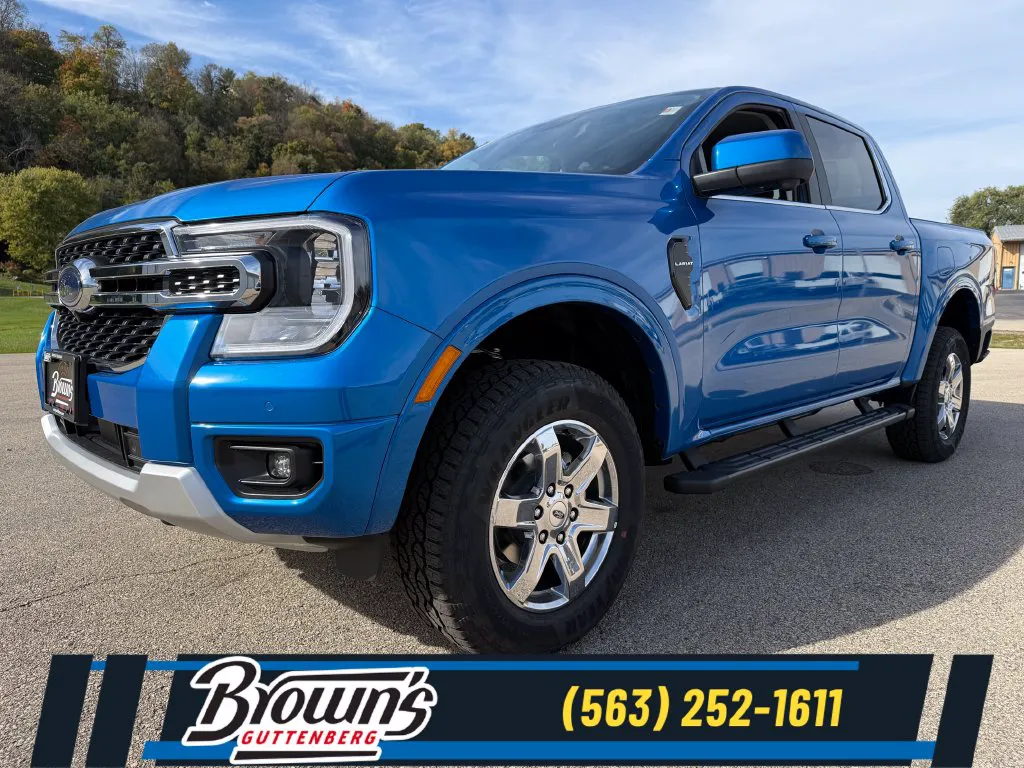
Finding a Ford Ranger for sale is only the first step. The right truck depends on what you carry, where you drive, how often you tow, and which features matter enough to pay for. Start with your actual jobs and compare specific vehicles rather than relying on a trim name or a photograph.
What will the Ranger need to do?
Before browsing listings, write down what the truck must handle in an ordinary week and what it might need to do a few times each year. Keep these two lists separate. The first describes your daily requirements; the second describes occasional demands that still need to be checked against the exact truck.
- Passengers: Count regular riders and note whether adults, children, or child seats use the rear seat.
- Cargo: Name the longest or bulkiest regular item, where it rides, and whether it needs weather protection.
- Driving: Describe the usual mix of pavement, gravel, rural roads, and parking spaces.
- Towing: Record the trailer’s loaded weight, not just its empty figure or general size.
- Ownership: Identify comfort and technology features you will use often, rather than treating every available feature as essential.
Make a must-have list and a flexible list. A required cab arrangement or verified towing capacity belongs in the first. A preferred color or convenience feature may belong in the second. This distinction is useful when comparing actual vehicles with different equipment and prices.
Be specific about work. “Haul tools” can mean a few hand tools in the cab, or a full set of heavy equipment in the bed. “Tow a small trailer” can describe very different loaded weights. Replace vague phrases with measurements, item counts, and frequency. A short note such as “two adults daily, one child seat on weekends, six-foot materials twice a month” gives you a more useful starting point than a general impression.
How do cab and bed choices affect daily use?
Cab and bed combinations shape how a pickup works. A larger cab may help when passengers or smaller items need to ride inside. A longer bed may provide room for bulky cargo. Overall dimensions and parking needs matter too, so verify the specific truck’s configuration rather than inferring it from a photo or model name.
Think through the loading routine. If tools or personal items need protection from weather, cab storage may help. If you carry long materials, check bed dimensions and how cargo can be secured. If an item would extend beyond the bed, learn applicable securement rules and use appropriate tie-down points. Do not assume that an item fits simply because the bed appears long in a listing image.
When rear-seat use matters, test the actual truck. Open the doors, get in and out, and check where feet and bags go. Bring a child seat if that is part of your routine and see how it fits. The way a seat installs and the space left for other riders can matter more than a brochure description. A specification sheet can narrow options, but sitting in the specific truck answers practical questions.
Also consider what stays in the cab. A workday may require a lunch bag, coat, paperwork, or small equipment to remain separate from bed cargo. A family trip may require room for backpacks and sports gear. Make a simple sketch of what goes where. If two competing layouts both sound workable, try loading the items you use most often during a visit, with staff permission.
Which features are worth comparing?
Compare equipment by use, not by the longest feature list. Depending on model year, trim, package, and individual vehicle, shoppers may compare seat materials, driver-assistance features, connectivity, bed protection, storage, and four-wheel-drive equipment. Check the window sticker or vehicle details for the exact unit instead of assuming a feature comes with a trim name.
Sort equipment into three groups:
- Essential: A capability or feature you need for the truck’s job. Be prepared to explain why it is required.
- Helpful: Something that would make regular use easier but is not a reason to overlook a better-fitting vehicle.
- Optional: A preference you would accept or decline depending on price, condition, and availability.
For example, a buyer who routinely backs into a tight work area may place visibility aids high on the list. Someone who travels with several passengers may put seat comfort and rear access first. A person who uses the truck for occasional recreation may care more about cargo arrangement and the roads they travel. The right list is personal; there is no need to pay for equipment that does not solve a real problem.
When comparing new and used examples, consider model year, mileage, condition, equipment, ownership history, and documentation. One vehicle may have a preferred feature while another may have different condition or cost. There is no universal answer; compare each actual truck against the same checklist. For available new models, start with Ford truck choices; for pre-owned options, review the used vehicle listings and verify each listing’s details.
How should you think about towing and payload?
Towing capacity is not a single number that applies identically to every Ranger. Ratings depend on configuration and equipment. Payload is separate: it concerns the weight carried by the truck, including occupants and cargo. Trailer tongue weight also affects the truck’s load, so these limits must be considered together.
Start with the trailer. Find its actual loaded weight, including equipment, supplies, and anything added after purchase. Do not use an empty weight if the trailer will carry water, tools, or recreation gear. Next, list the people and cargo that will ride in the truck while towing. Include items stored in the cab and bed, plus the trailer’s tongue weight in the truck’s payload calculation.
Then verify the specific vehicle. Ask staff to help locate manufacturer information and the vehicle labels for the exact configuration. A general rating found for a different cab, drivetrain, engine, or package may not apply. A hitch alone does not establish that a truck suits a particular trailer. If any required weight or rating is unclear, treat it as unresolved until you have reliable information for both truck and trailer.
Do not combine separate limits into one casual guess. A truck could have a tow rating that appears adequate while its payload is constrained by passengers, cargo, or tongue load. Conversely, a truck’s available payload does not establish its trailer rating. Check the relevant limits together and leave a margin for real-world loading differences rather than planning around the maximum by assumption.
- Passengers: Typical riders and rear-seat use. Check cab, seating, access, restraints.
- Cargo: Largest regular item and securement plan. Check bed dimensions and tie-down provisions.
- Towing: Loaded trailer weight and frequency. Check configuration, equipment, ratings, labels.
- Daily use: Roads, parking, comfort priorities. Check features and dimensions.
- Budget: Target total cost and ownership period. Check current price, charges, taxes, title, registration, financing terms.
The National Highway Traffic Safety Administration’s vehicle-safety resources can support general safety research.
Use those resources alongside manufacturer information and vehicle labels. A general safety page does not replace confirming ratings for a particular truck and trailer.
How can you compare the total cost?
Use the price of the specific vehicle as a starting point, then ask what is included and what may be additional. Prices are VIN- and date-specific. A displayed price or model starting figure is not a final quote. Taxes, title, license, registration, financing, and other charges can affect the total. Incentives can change or have eligibility conditions.
Ask for a written breakdown tied to the truck you are considering. Keep that page or message with the VIN so it does not get mixed up with another vehicle. If a discount is listed, ask who qualifies and when it expires. If a fee or optional product is included, ask what it covers and whether it is optional. A clear comparison uses the same categories for every candidate.
When considering financing, compare written terms rather than a payment estimate alone. Ask about amount due, term, total amount financed, and optional products. A calculator or application is an estimate, not an approval or contract. Review the finance application information as you prepare questions, then rely on the written terms actually offered.
If you have a trade, bring accurate information about its condition, mileage, history, and any loan payoff. An estimate is not a final value until details are reviewed. Start with the trade-in process and ask how an appraisal will be verified. Compare the new truck’s price and trade value as separate figures before considering the full transaction.
A useful budget worksheet can include the vehicle price, applicable taxes and registration costs, amount due at signing or purchase, financing terms if used, and an allowance for the equipment you still need. Keep estimated figures labeled as estimates. This helps prevent a low monthly figure from hiding a longer term, a larger amount due, or optional items you did not request.
What should you check when a Ford Ranger for sale is listed?
Inventory can change. A vehicle may be sold or in transit, so an online listing does not guarantee it is physically available. Before making a trip, share the listing or VIN and ask staff to confirm status and location. Ask for the current price and whether any incentive conditions apply to you.
- Model year, trim, cab, bed, and drivetrain.
- Factory and installed equipment, including towing-related equipment.
- History and condition for a used truck.
- Whether the vehicle is on site, in transit, or no longer available.
- Current price and any incentive conditions.
- Documents available for review.
For a used truck, ask about history and inspection records. A certified label alone does not describe warranty coverage; confirm the program, term, and VIN-specific documents. A vehicle history report can offer useful information but does not replace looking over the truck and reviewing the available records. Note unanswered questions rather than assuming that a missing detail means there is no issue.
Save a copy of the listing or write down the VIN, date, and the questions you asked. If a listing changes after you start comparing, you can distinguish a corrected detail from a different vehicle. The used inventory page is a starting point, not a substitute for confirming a particular vehicle’s status and documents.
How do you prepare for a useful test drive?
Bring your comparison list and ask whether the particular truck can be driven. If possible, use a route that reflects ordinary driving. Notice visibility, seat comfort, steering, braking, noise, and parking. Try the controls you expect to use. If a feature matters, ask for a demonstration on that truck rather than relying on a description of another trim.
Use a repeatable route when comparing two candidates. Begin with a familiar street, then include the kind of turning, stop-and-go, or open-road driving you normally do, if available and appropriate. Pay attention to how easily you can adjust mirrors, reach controls, and judge the truck’s corners. Afterward, write down what felt comfortable and what needs another look. Memory can blur differences after several visits.
Do not conduct an informal towing test or load the truck beyond ratings. Establish towing suitability from configuration and manufacturer information. For maintenance questions after purchase, review Guttenberg Ford service information and confirm that the selected location handles the specific work. A service page is a starting point for a request, not a promise about appointment timing or repair scope.
What should you ask at the dealership?
A short, specific list makes the conversation practical. Ask whether the exact Ranger is physically available, what its cab, bed, drivetrain, trim, and equipment are, and where to verify towing and payload information. For a used truck, ask which condition and history documents are available. Request the current written price, incentive conditions, and finance terms if relevant. Ask about arrangements for a test drive.
Instead of asking only “Is it a good truck?”, ask questions that can be answered with evidence:
- Can you confirm the VIN and equipment on this listing?
- Which document or label shows the relevant capacity for this configuration?
- Is the truck on site, in transit, or otherwise unavailable today?
- What written price applies to this VIN, and which charges or conditions should I understand?
- For a used vehicle, which history, inspection, and warranty-program documents can I review?
- Can I try the features that matter and take a test drive on a suitable route?
Bring your driver’s license and relevant trade information. If comparing several trucks, save listings or write down each VIN so equipment and pricing do not get mixed up. If you need a detail checked, ask who will confirm it and how you will receive the answer. That turns a vague follow-up into a clear next step.
What should you measure before shopping?
Measure the longest items you carry routinely, including the space needed to position them. If an item must fit under a closed cover, note its length, height, and width. Consider loading path and whether the tailgate would need to remain open. An advertised bed length does not by itself show how a particular load will sit or be secured.
For garage or parking needs, measure the available space and allow room to open doors. Check vehicle dimensions and accessories if you use a low-clearance structure. A test drive helps assess visibility and maneuverability, but does not replace checking a fixed space against actual dimensions. Include clearance for walking around the truck and opening the tailgate if that is part of daily use.
For towing, collect the trailer’s loaded weight, including equipment and supplies. Include passengers and cargo in the truck when reviewing payload. Tongue load is part of the truck’s payload consideration, so a towing figure alone does not establish a suitable match. Ask staff to locate vehicle-specific ratings and labels and compare them with reliable trailer information.
A practical measurement note can be short: item name, length, width, height, weight if known, how often it is carried, and where it needs to ride. Add passenger count and trailer details on the same sheet. This avoids a common comparison mistake: focusing on one impressive capability while overlooking a daily requirement such as rear-seat access or garage fit.
How do new and used choices differ?
For a new truck, confirm model year, trim, factory equipment, and any additions. Price and incentives can be date-specific and may depend on qualifications, so request current written figures for the unit. Do not assume two trucks with the same trim name have identical packages or installed equipment.
A used truck calls for questions about history, condition, and prior use. Ask which records are available and whether the dealership can explain inspection documentation. If accessories are fitted, ask whether they are included and whether fit or operation has been checked. If a certified program applies, request its written terms; the label alone does not describe duration or exclusions.
For either type, request a written price breakdown. If financing is relevant, review total amount financed, term, amount due, and optional products. Estimates are not approvals or contracts. Decide using the written terms actually offered. Keep comparison notes consistent: model year, miles, equipment, condition, price, documentation, and remaining questions.
Some buyers prefer a newer vehicle because they want a particular configuration or want to compare factory equipment. Others may find a used example worth considering if its condition, documentation, equipment, and price align with their needs. Neither route is automatically the better value. The right comparison weighs the actual trucks and the buyer’s priorities, not a broad rule about new or used.
How can a use case clarify the choice?
Imagine a buyer who commutes, carries garden supplies on weekends, and tows a utility trailer a few times a year. The buyer should determine whether rear-seat space matters, measure the supplies, and find the loaded trailer weight. Guessing from trailer size is not enough. Everyday comfort matters, but occasional towing still requires checking the precise truck and trailer combination.
A useful next step is to list the likely loads. If the supplies are bags and small tools, bed length and securement may be the main questions. If the buyer carries long boards or bulky equipment, measurements and loading method become more important. If the trailer is used only seasonally, that does not remove the need to verify its loaded weight and the truck’s matching ratings.
A small business owner who carries tools and materials most days and has several people riding should estimate normal payload, including occupants, tools, and equipment in the cab or bed. A truck that looks suitable based on towing alone could be wrong for the carried load. A short inventory of typical and heaviest loads helps staff answer concrete questions.
For this buyer, it can help to prepare two payload scenarios: a normal day and a heaviest workday. Add the people who ride, toolboxes, materials, and any gear that stays in the truck. Then compare each scenario with the appropriate vehicle information. If a weight is unknown, mark it as unknown and find a reliable way to measure or confirm it rather than substituting a guess.
A household carrying sports gear and passengers may care more about cab access, seat comfort, and where wet items go than a long feature list. Try the rear seat and check whether a commonly used bag can ride securely. These checks make a test drive relevant to daily use. The household might also compare whether frequently used gear belongs in the cab, bed, or a separate container, then see whether the selected layout makes that routine easy.
These examples do not point to one universally best trim. They show why shopping should begin with the use case. Even an occasional safety-related requirement needs verification; a convenience preference can be weighed against budget and availability. A candidate that meets every must-have can move forward; one with an unresolved critical question should stay on hold until the information is confirmed.
What if a listing leaves out a detail?
Keep unanswered questions visible. Save the listing and VIN, then ask the store to verify the specific point. “Does this VIN have the equipment on my checklist?” is more useful than a broad question about suitability. If trailer weight or cargo dimensions are unknown, identify what information you will obtain before deciding.
If a vehicle is in transit or its location is uncertain, ask staff to confirm status before setting out. Do not assume a transfer or timing between Brown’s locations; ask what options exist and wait for confirmation. Write down the answer, who confirmed it, and any supporting document. Keep price and incentive details with the matching VIN.
Use a simple status key in your notes: confirmed, not a fit, or needs verification. This prevents a salesperson’s general explanation about a model from being mistaken for confirmation about one vehicle. If a detail is important to safety, fit, or cost, wait for specific documentation or a clear written answer before treating it as settled.
How do you prepare for the visit?
Bring your checklist, driver’s license, trailer or cargo information, and trade-in details. Note the trade’s mileage, condition, history, and loan payoff. An estimate may change after review, so distinguish an initial estimate from a final appraisal. The trade-in information explains where to start.
Before driving, ask about arrangements for the specific truck. During the drive, focus on entry and exit, mirror adjustment, controls, parking, and comfort on a normal route. Follow staff instructions and local laws. Do not load the truck or use an informal towing test to replace rating checks.
Afterward, compare notes rather than relying on memory. Confirm important features on the exact vehicle and ask about unfamiliar paperwork. If more than one person will drive or ride regularly, invite them to evaluate the aspects they will use. The aim is not to make every person agree on every preference; it is to expose practical differences before you choose.
How do you make a final shortlist?
Put practical requirements first and mark each candidate as fits, does not fit, or needs verification. Do not average away a critical mismatch. An unresolved capacity question belongs in the verification column until supported by appropriate evidence. After that, compare softer preferences such as appearance, convenience equipment, and color.
Use the same evidence categories for each candidate. One truck should not get credit for a feature that has not been confirmed while another is judged only by its listing photo.
A simple table helps keep the process fair.
- Define the job: List riders, cargo, roads, towing frequency. Check measurements and loaded trailer details.
- Compare trucks: Check cab, bed, drivetrain, trim, equipment. Check listing, VIN, window sticker, labels.
- Review condition: Ask about history and inspection records. Check records and program terms.
- Review budget: Request written price and finance terms. Check charges, conditions, amount due.
- Confirm next step: Verify availability and drive arrangements. Check staff confirmation.
For a local starting point, see Ford truck choices and compare available details.
Review actual unit information rather than assuming a particular model or configuration is available.
A careful comparison helps you choose a Ranger that fits your needs, with equipment, availability, and written terms confirmed before you decide.
Which details belong on one checklist?
Keep the decision on one page. Use the same questions for every Ranger you compare.
| Question | What to confirm |
|---|---|
| Cab and bed | Match riders and cargo on that VIN. |
| Towing | Use the loaded trailer weight and the truck label. |
| Price | Ask for the current written total, not a starting figure. |
| Availability | Confirm the truck is still available before you visit. |
Frequently asked questions
What should I ask before looking at a Ford Ranger for sale?
Write down regular riders, the largest cargo, usual roads, and how often you tow. Then check those needs against the cab, bed, equipment, and labels on the specific truck.
Does every Ford Ranger have the same towing capacity?
No. Towing and payload depend on the truck’s configuration and equipment. Confirm the ratings and labels for that VIN, and use the trailer’s loaded weight rather than its empty size.
Is a listed Ranger available to see today?
Not always. A vehicle may be sold or in transit. Share the listing or VIN with Brown's Guttenberg Ford and ask staff to confirm status, location, and whether that truck can be driven.
Is the online price the full amount I would pay?
No. A displayed price is a starting point for that VIN and date, not a final quote. Ask for the current written price, including taxes, title, license, registration, and any charges or incentive conditions.