

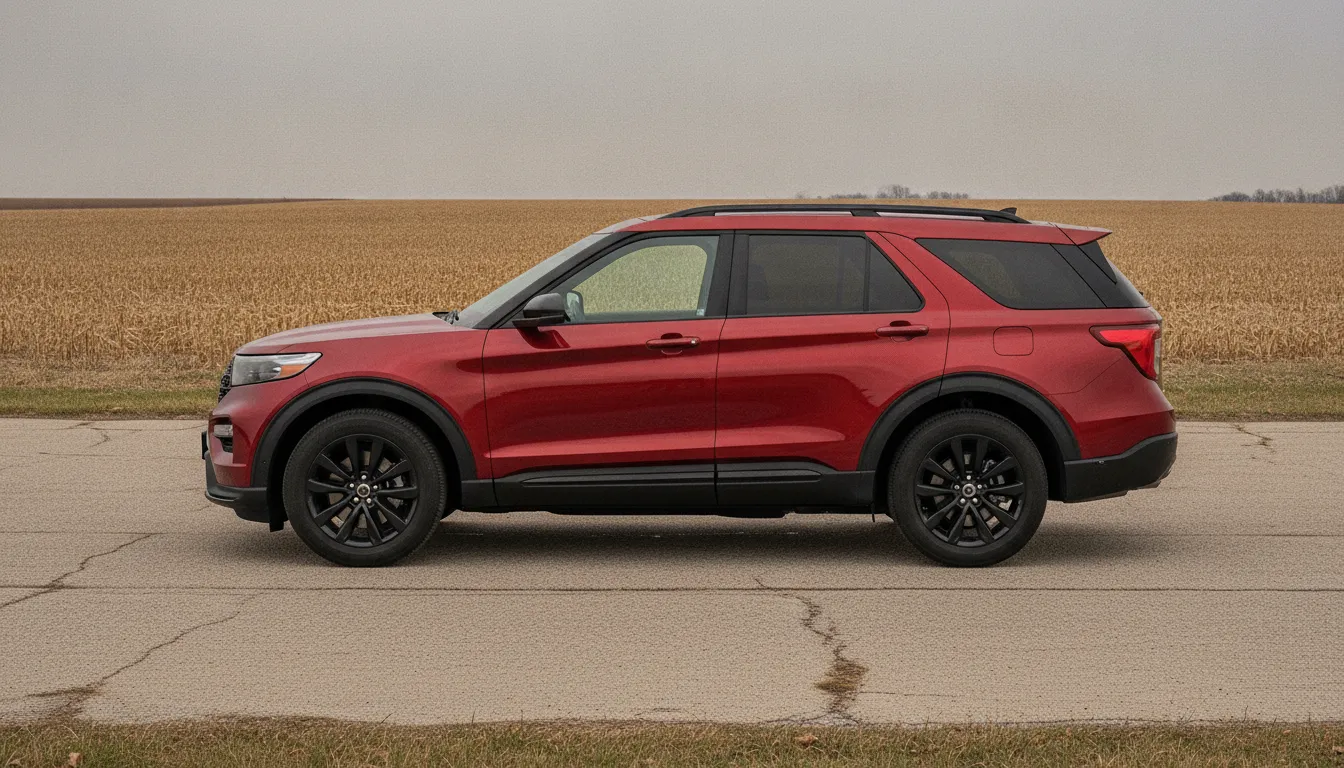
Choosing a vehicle for commuting starts with the drive you make most often, not with a body style or a feature list. If you are weighing how to choose a vehicle for commuting in Iowa, consider your miles, roads, winter routine, passengers, cargo, and the costs you can plan for. A useful comparison connects each vehicle to your actual week.
Call (563) 252-1611 to discuss your commuting needs
Start with the commute you actually have
Before browsing vehicles, describe your usual trip in practical terms. Write down where you start and finish, how often you drive, and what you do before or after work. A short trip on local streets can put different demands on a vehicle than a longer highway drive. A route with gravel, steep approaches, or an unplowed driveway can make ground clearance and traction more important. Carrying coworkers, children, tools, or sports equipment changes the space you need.
Think about a normal week, not only an ideal day. Include errands, school or activity drop-offs, trips to see family, and any occasional work travel. If a vehicle will serve more than one driver, ask each person to describe their regular use. The vehicle that suits the longest trip may not be the best choice if it is awkward to park or difficult to get into every day.
- Distance: Estimate your ordinary round-trip distance and how many days a week you make it.
- Road type: Note paved roads, gravel stretches, town streets, highway speeds, hills, and the condition of your driveway or parking area.
- People: Count the seats you need on a typical day and the passengers you carry occasionally.
- Things: List work bags, groceries, child seats, equipment, or other cargo that routinely rides with you.
- Parking: Consider garage dimensions, tight spaces at work, and whether you park outdoors overnight.
These notes make shopping more focused. They also help separate a real requirement from a feature that merely sounds appealing. If you rarely carry bulky items, a large cargo area may not justify its everyday trade-offs. If you regularly drive a rough lane before reaching a paved road, that stretch deserves a place in the comparison.
How to choose a vehicle for commuting on fuel use
Fuel or energy use matters because a commuter repeats the same trip many times. Start by comparing vehicles that are similar enough to perform the same job. Look at the specific vehicle's published efficiency information, powertrain, and equipment, then consider how your own route may affect use. Stop-and-go traffic, cold starts, speed, hills, idling, passenger load, and cargo can all make day-to-day consumption differ from a published estimate.
Winter road conditions deserve a safety check alongside the vehicle comparison. The National Highway Traffic Safety Administration winter-driving guidance recommends slowing down on slick or snow-covered roads, increasing following distance, and checking tire pressure and tread. Use those reminders when you evaluate the tires, traction system, visibility, and route fit of each specific vehicle.
Do not compare only a best-case figure or assume one technology is automatically right for your routine. Ask what kind of driving the vehicle is designed to handle and what it takes to keep it ready. If you are considering a hybrid or an electric vehicle, learn how its system fits your route, where you can charge if needed, and how you expect to use it in cold weather. If you are considering a conventional gas vehicle, compare its stated efficiency and the way its size and powertrain match your typical driving. The best comparison is one you can explain in ordinary terms, rather than a single appealing number.
Build a simple estimate using your own inputs. You can start with your approximate weekly commute distance, add the non-work driving you expect, and compare the vehicles' available efficiency information. For a fuel vehicle, think about how frequently your usual driving would bring you to a fuel stop. For a vehicle that needs charging, think about where charging would fit into your routine, how often you might need it, and what you would do on longer trips. Treat the result as a planning tool, not a promise of a particular bill or range.
When comparing a used vehicle, ask for its exact year, powertrain, and equipment. Do not assume two vehicles with the same name have the same efficiency or features. A used vehicle's condition and maintenance history matter too. Review the information available for that specific vehicle and raise questions about anything unclear before deciding.
What does Iowa winter driving change?
Winter should be part of the decision, but it does not point to one answer for every Iowa driver. The right setup depends on where you drive, how the roads are maintained, how much time you spend on unplowed surfaces, and whether you can adjust your schedule when conditions are difficult. A vehicle used mainly on maintained roads may have different needs from one that regularly travels a rural route before it is cleared.
Compare the traction system and tires on each specific vehicle. All-wheel drive or four-wheel drive can help a vehicle put power down in some conditions, but it does not remove the need to drive carefully or guarantee stopping and steering on slick surfaces. Tires, tread condition, speed, road conditions, and driver judgment remain important. Ask what tires are installed on a used vehicle and inspect their condition. If you plan to change tires seasonally, factor in the practicalities of storing and switching them.
Cold weather also affects the daily experience. Check how the heating and defrosting controls work, whether the windshield clears effectively for you, and how easy it is to enter and exit while wearing winter layers. Look at the headlight controls and visibility from the driver's seat. If you park outdoors, consider whether you can comfortably clear snow from the hood, roof, windows, and lights. A feature is useful only if it fits how you actually use the vehicle.
Make a winter checklist based on your route:
- Do you regularly use a gravel road, steep hill, or driveway that may be snow-covered?
- Would you need more ground clearance for your usual route, or do you mostly drive on maintained pavement?
- Are the tires appropriate for the vehicle and in condition you are comfortable using?
- Can you see out of the vehicle easily, and can you reach the controls without distraction?
- Do you have a safe place to park and a plan for clearing snow and ice?
When road conditions are poor, no vehicle choice replaces adjusting speed and following safe driving practices. Be realistic about the roads you must travel and the days you can postpone a trip. Consider whether your normal commute and occasional difficult trip have different requirements, rather than choosing a vehicle solely around an unusual weather event.
How much seating and cargo space do you need?
Start with the people who ride with you most often. Sit in every seat you expect to use, rather than judging the cabin from the driver's seat alone. If you carry passengers in the rear, check legroom, headroom, door openings, and how easily people can get in and out. If you use a child seat, bring it along to check fit and access. A vehicle can have a certain number of seat belts without being comfortable for every passenger or every trip.
Next, test the cargo area with objects that reflect your routine. A commute might require only a laptop bag and lunch one day, but a weekly grocery run or work equipment on another. Check the opening height and width, the load floor, and whether the space is easy to reach. Fold seats only if you are willing to use that arrangement regularly. Ask how much passenger space remains when you configure the cargo area the way you need it.
Vehicle shape affects how you use space. A sedan, hatchback, crossover, SUV, or pickup can each offer a different combination of passenger room, cargo access, ride height, and parking footprint. Do not use the category name as a substitute for checking the exact vehicle. Open the doors, sit in the rear, adjust the front seats, and see whether your routine items fit without blocking visibility or crowding passengers.
For someone who commutes alone and parks in a tight space, a smaller footprint may be valuable. For a household that combines commuting with regular passenger or equipment duties, flexibility may matter more. If you transport bulky items only a few times a year, ask whether an occasional alternative would work rather than carrying extra size on every trip. The right balance is the one that fits the trips you make most often while still serving occasional needs.
Which features make a commute more comfortable?
Comfort is personal, so use a test drive to identify what helps you arrive less tired. Check whether the seat supports you in the position you prefer. Make sure you can adjust the seat and steering wheel to reach the pedals and see the road comfortably. Notice whether the cabin feels noisy at the speeds you normally travel and whether you can hold a conversation without raising your voice. A quiet, comfortable vehicle can make regular driving more pleasant, but the experience should be judged in the vehicle, not inferred from a brochure.
Try the controls you expect to use every day. Adjust the mirrors, climate settings, audio, and driver information displays while parked. Check that you understand how to make common changes without taking your attention away from driving. If the vehicle has a touchscreen or steering-wheel controls, see whether they feel straightforward to you. Do not let a long list of technology features distract from the basic tasks of seeing, sitting, steering, and parking comfortably.
Visibility deserves its own check. Look over your shoulder, check the mirrors, and notice blind areas around the vehicle. Try parking and backing up in a safe place. If the vehicle has a camera or parking assistance feature, learn its limits and do not treat it as a replacement for looking around. At night or in low light, consider whether the lighting and controls work for you.
Commute comfort can also depend on convenience details: storage for small items, accessible charging ports, a place for a water bottle, and climate controls that are easy to reach. These are not universal necessities. Make a short list of the details you already rely on, then check whether the vehicle accommodates them. A feature you will use every day may matter more than several features you rarely touch.
How should you think about ownership costs?
A vehicle's cost is more than its advertised price or a monthly estimate. Before choosing, identify the expenses you want to compare and ask what information is available for the specific vehicle. Depending on the vehicle and your circumstances, ownership expenses can include fuel or charging, insurance, maintenance, repairs, registration, and financing costs. The amount varies by vehicle and driver, so avoid treating a general estimate as a quote for your situation.
For an organized comparison, create a list with one row for each vehicle and categories for the expenses that matter to you. Use written information where possible. Separate known figures from estimates, and note where you need to confirm details. Ask your insurance provider about coverage costs for vehicles you are seriously considering. Review maintenance needs and available records for a used vehicle. For any optional coverage, read the written terms and confirm what it covers, what it excludes, and who administers it.
When financing is part of the plan, look beyond a monthly payment. Compare the total amount due, the length of the agreement, any fees, and the total cost over the term. An online calculator can help you explore inputs, but it is an estimate and does not establish financing approval, a rate, or a final payment. The payment calculator can be one planning tool; confirm all actual terms for the specific vehicle and your circumstances before making a decision.
Keep optional products separate from the vehicle's basic cost. If you are offered a protection plan, request the written agreement and review its terms. Do not assume an optional product is a factory warranty or that coverage is the same for every vehicle. A careful cost comparison makes assumptions visible, so you can ask focused questions instead of relying on a single monthly number.
New or used: what should commuters compare?
A new vehicle and a used vehicle can each be worth considering, depending on your priorities and budget. Compare specific vehicles rather than broad labels. Equipment, condition, powertrain, warranty documentation, and price details can vary. For a new vehicle, verify the exact configuration and what is included in the stated price. A starting price or manufacturer's suggested retail price is not a quote for a specific vehicle, and taxes, title, registration, financing, or other costs may be additional. Incentives can have conditions and end dates, so confirm whether a particular offer applies.
For a used vehicle, review its condition and history, check the equipment, and ask what documentation is available. A certified label does not by itself explain the exact program, term, or coverage. Confirm those details for the particular vehicle in its documents. Ask about any warning lights, service records, or features that need attention. If the vehicle is not physically at the store or its status may change, confirm availability before making plans to visit.
Brown's Guttenberg Ford's new vehicle inventory and used vehicle inventory are starting points for seeing what is listed. Inventory changes, and the presence of a listing does not guarantee that a vehicle remains available. Use the listing to identify a vehicle you want to ask about, then confirm its status and details directly.
When comparing two vehicles, use a consistent checklist: price details, condition, mileage where relevant, equipment, powertrain, tires, storage, visibility, and how each feels on a test drive. If one costs less initially but needs work or lacks a feature you rely on, record that difference rather than overlooking it. If a new vehicle has an attractive feature package, decide whether those features solve a real need for your commute.
How can you compare route fit without choosing by category?
It is tempting to start with a body style or a particular feature. Instead, turn your route notes into requirements and let them guide the comparison. For example, a driver with a short paved commute, limited parking, and little passenger or cargo duty may put compact size and easy maneuvering high on the list. Someone who carries passengers most days may prioritize rear-seat access and room. A driver who regularly uses gravel roads may want to evaluate ride height, tires, and traction configuration on the actual vehicle.
These examples are prompts, not prescriptions. A small vehicle can have a comfortable cabin, and a larger vehicle may be easy to live with if the driver values its space and can park it easily. The same model can be configured differently, and an individual used vehicle may have different equipment from another one. Compare what is in front of you rather than assuming a category answers every question.
| Commute priority | What to inspect | Question to ask yourself |
|---|---|---|
| Frequent highway driving | Seat comfort, cabin noise, visibility, powertrain, and efficiency information | Can I sit comfortably and see clearly for my usual trip? |
| Town driving and tight parking | Vehicle dimensions, turning feel, sightlines, and parking assistance features | Can I maneuver and park it in the places I use? |
| Rural or gravel stretches | Tire condition, traction setup, ride height, and route conditions | Does this specific vehicle fit the roads I regularly travel? |
| Passengers or child seats | Rear-seat access, belts, headroom, and seat fit | Can the people I carry sit comfortably and get in and out? |
| Work or household cargo | Opening size, cargo floor, seat folding, and remaining passenger space | Does my usual gear fit without making the cabin awkward? |
The table helps organize questions, but it cannot rank vehicles for you. Use it to decide what to test. A feature that appears important on paper might make little difference after you sit in the vehicle, while a small ergonomic issue may become irritating on every trip. Keep your priorities visible during the shopping process.
What should you do before and during a test drive?
Plan the test drive around the kind of driving you do. If possible and appropriate, include a mix of the roads you commonly use, such as town streets and a stretch at typical commuting speeds. Follow the store's directions and any applicable rules. A brief loop may not reveal every difference. Pay attention to specific things you can compare even on a short drive: seat position, acceleration, braking feel, visibility, steering, road noise, and how easy the common controls are to use.
Before starting, adjust the seat, steering wheel, and mirrors. Confirm that you can see the road and instruments comfortably. Check the rear seats and cargo area while parked. If you need to test a child seat, bring it and make sure the setup is safe and appropriate. Do not rush the drive simply because you are comparing several vehicles; pause after each one and write down what you noticed.
Use the same questions for every vehicle so your impressions are easier to compare:
- Can I get a comfortable driving position without stretching or feeling cramped?
- Can I see clearly around the vehicle and use the mirrors comfortably?
- Does the vehicle feel composed on the roads I use most often?
- Can I reach the climate and other common controls without confusion?
- Does it have enough passenger and cargo room for my normal routine?
- What questions about equipment, condition, price, or ownership cost still need a clear answer?
After the drive, record both what you liked and what gave you pause. Avoid relying on memory if you drive several vehicles in one visit. Write down the vehicle's exact details so you can distinguish it from another listing with a similar name. If something matters to your decision, ask the store to clarify it rather than assuming.
How do you make a useful shortlist?
A shortlist should contain a few vehicles that meet your main requirements, not every vehicle you might consider. Start by marking each requirement as essential, preferred, or optional. Essentials might include room for a regular passenger, a comfortable driving position, or a fit for your parking space. Preferences could include a certain feature or cabin arrangement. Optional items are nice to have but should not outweigh more important daily needs.
Then compare vehicles side by side using the same information. Make columns for the factors that matter most: route fit, energy use, winter setup, seating, cargo, comfort, cost information, and any unanswered questions. If a detail is unknown, label it unknown instead of guessing. That simple step prevents an estimate or an assumption from looking like a confirmed fact.
Give every vehicle a practical check against your routine. Can you live with its size on a weekday? Can it carry the people and items you actually transport? Does its equipment suit the roads you drive? Are you comfortable with the costs you have confirmed and the questions that remain? A vehicle that meets your everyday needs with fewer compromises may be a better match than one with the most impressive list of features.
Finally, confirm the details of the exact vehicle before making a decision. Availability, equipment, price, incentives, and documentation can change or vary by unit. A test drive is a chance to assess how the vehicle feels; it is not a financing decision or a promise that a particular vehicle will remain available. Take the time you need to understand the information and decide whether it fits.
Call (563) 252-1611 to ask Brown's Guttenberg Ford about a test drive
Frequently asked questions
Is a smaller vehicle always better for a commute?
No. A smaller vehicle can be easier to park and maneuver, but the right choice depends on your passengers, cargo, route, comfort, and equipment needs. Check the specific vehicle instead of deciding by size category alone.
Do I need all-wheel drive for an Iowa commute?
Not every commuter needs the same traction setup. Consider your regular roads, driveway, snow-clearing conditions, tires, and ability to adjust travel when conditions are poor. Traction equipment does not guarantee safe stopping or replace cautious driving.
Should I choose a vehicle based on its advertised efficiency?
Use available efficiency information as one comparison point, not a guarantee of your actual use. Your route, weather, driving style, speed, load, and vehicle condition can affect real-world consumption. Compare similar vehicles and include your own driving pattern.
What should I check in a used commuter vehicle?
Review the exact vehicle's equipment, condition, available history and service documentation, tires, and any questions about its operation. Confirm any certified program or optional coverage from the written vehicle-specific documents rather than relying on a label alone.
Choose for the week you really drive
The best commuter vehicle is the one that fits your repeated routes, passengers, cargo, comfort preferences, winter routine, and ownership-cost priorities. Write down your requirements, compare specific vehicles with the same checklist, and use a test drive to see how each one works for you. Ask questions about details that remain uncertain before you decide.